I’m not a climber. I just live very close to it.
When you live in Alforja, fifteen minutes below Siurana, you notice it sooner or later. This is an international climbing area. Not because there are advertising signs, there aren’t any. But because the cars in front of the bakery in Cornudella come from half of Europe. Slovenia, Czech Republic, Sweden, Germany, France. Young people with rope bags, hardened fingertips, weathered skin. In the evening they sit at the café, drink a beer after a long day on the wall, and talk about routes I don’t understand.
This text isn’t for them. They’ve known for a long time why they’re here.
This text is for those still considering it. Is Siurana for me, should I go, what should I know in advance. I’m writing this as someone who lives next to the climbing area, not as someone who climbs in it. That has one advantage. I’m not biased. I can’t tell you which route at which grade is particularly beautiful, but I can tell you what makes Siurana what it is, what climbers tend to miss, and where the logistics get tricky.
What Siurana actually is
Siurana is two things.
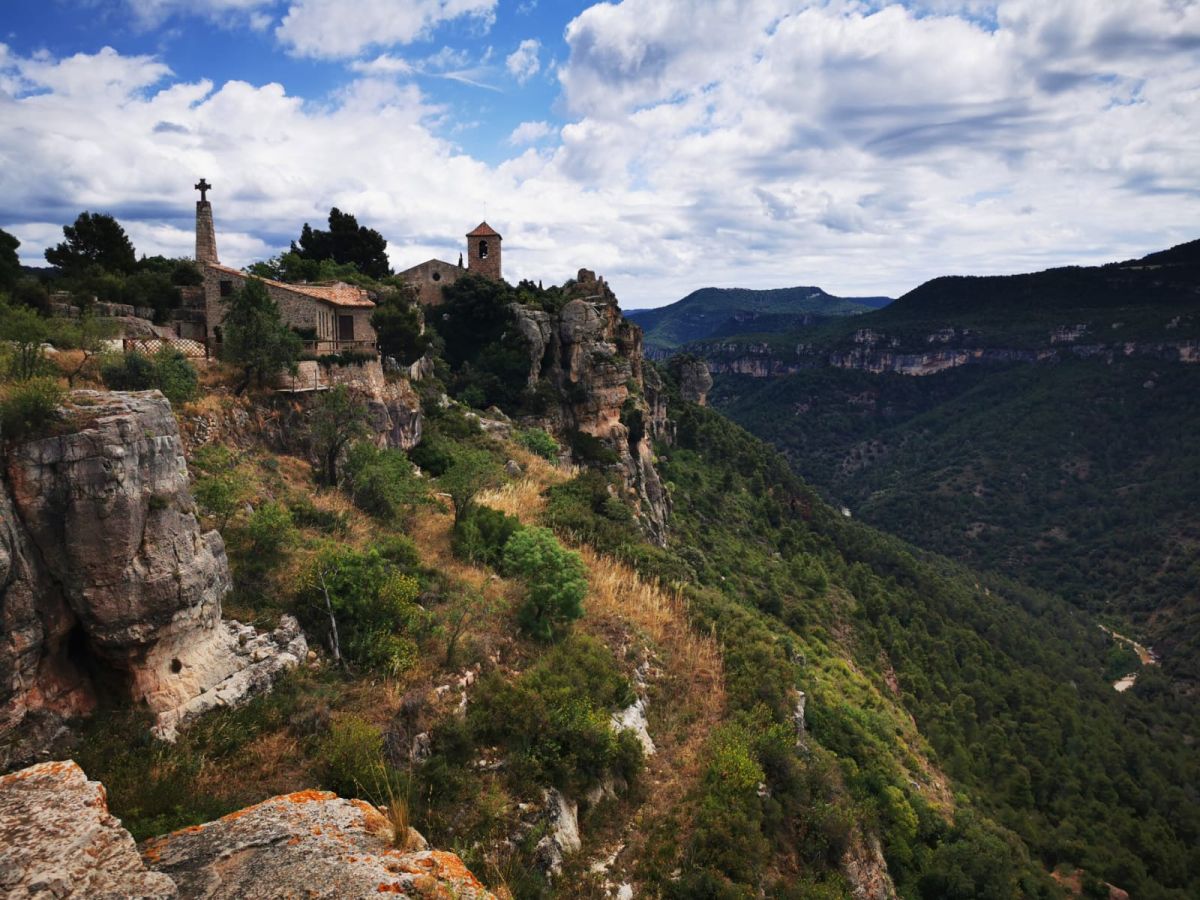
First, a village. Barely thirty residents, up on a rock that juts out from the Sierra de Montsant like the bow of a ship. There’s a Romanesque church from the 12th century, a tiny bar, a viewpoint, and otherwise stone. The village sits on a plateau that drops into deep gorges on three sides. The last Moors in Catalonia entrenched themselves here in 1153. The history is in the stone, and in the eyes of the older residents.
Second, and this is why the cars come, a climbing area. More specifically, one of the most important sport climbing centres in Europe. The walls around the village are limestone conglomerate, a geological mix of limestone and embedded pebbles that forms vertical, often overhanging walls with small, sharp holds. For those who know: it’s the opposite of granite or sandstone.
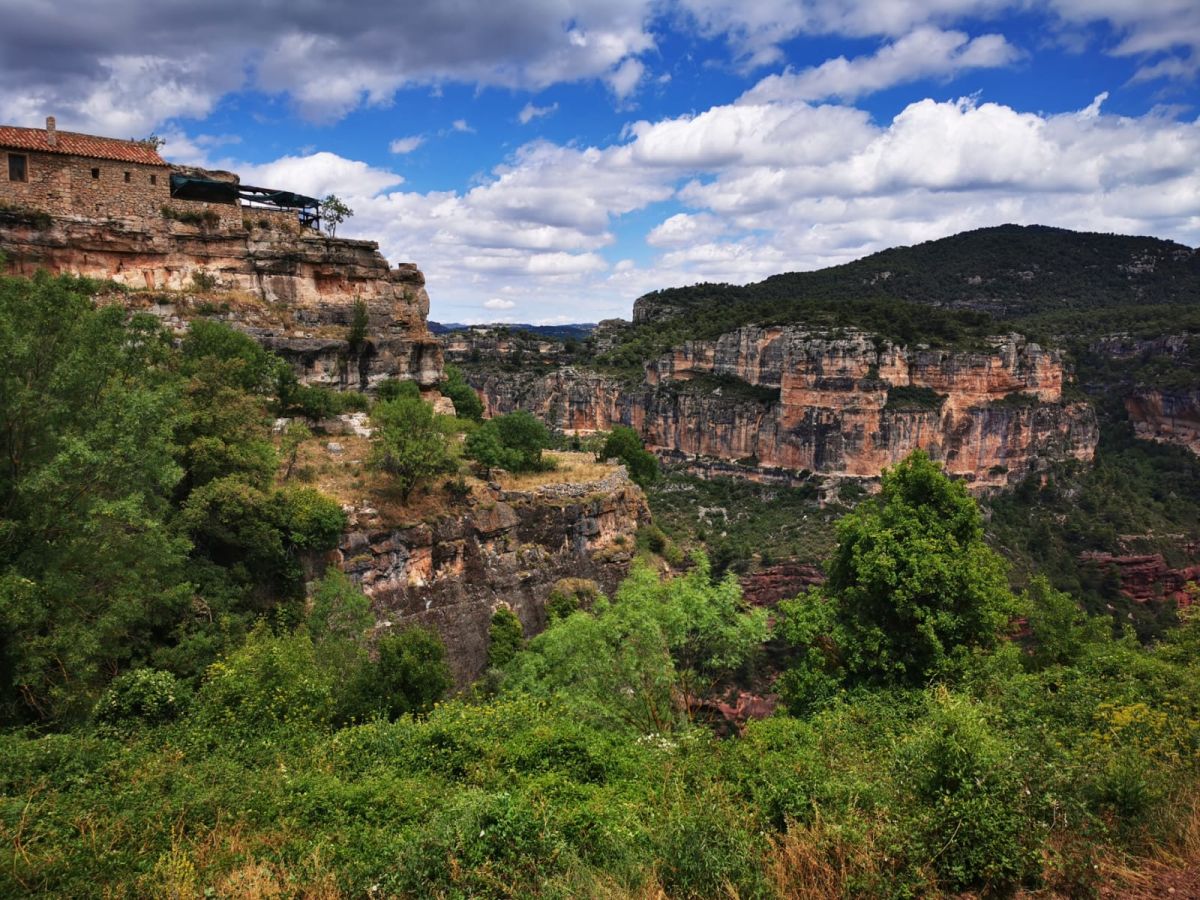
In the eighties and nineties, local climbers like Toni Arbonès, and later international names like Chris Sharma, Adam Ondra, and Ramon Julian, opened the walls. Today there are more than 1,500 bolted routes. Some of them, like “La Rambla”, have become pilgrimage destinations.
Who is Siurana for?
From what I gather from guests and people I know: for every level, but with limits.
If you’ve never climbed before, Siurana isn’t the place to start. There’s no beginner wall with three easy routes and a patient belayer next to you. What there are, are local climbing schools, offering guided day trips. That’s the most sensible way to start here for the first time, with someone who knows the rock and the sectors.
If you climb as a hobby, you’ll be happy at Siurana. There are sectors with routes from French grade 4 (5a) upward, roughly equivalent to YDS 5.6 or 5.7. Sectors like L’Olla or Can Marges de Dalt have a mixed difficulty range where non-professionals find their day too.
If you’re experienced, you probably already know why you’re coming. Siurana has some of the world’s iconic routes in the 8a to 9b+ range. La Rambla, Era Vella, Mind Control, Aitana, Sky Walker. If you’re reading this, I can’t tell you anything you don’t already know.
When is the best time?
The conglomerate at Siurana loves dry, cool conditions. The small holds demand friction, and in summer the sun hits brutally in most sectors.
From my point of view as someone who lives here:
The main season runs from October to April. The village is full, the sectors are busy, and there’s a queue at the bakery in the morning. If you want quiet, don’t come now.
Spring (March, April) and late autumn (October, November) are ideal. 15 to 22 degrees during the day, sun, often no wind.
Summer (June to August) is too hot for most sectors. There are shade sectors like Siuranella Centre or the back of Can Piqui Pugui, climbable even in summer, but that’s for pros who know which sector at which time.
Deep winter (December, January) can be perfect if the sun is out. Sharp cold in the morning, perfect friction. But rainy days are a problem, because the rock takes a long time to dry.
If you only have a weekend and want quiet instead of peak-season buzz, November or February on weekdays is your best bet. You’ll find walls where you’re almost alone.
What climbers here often overlook
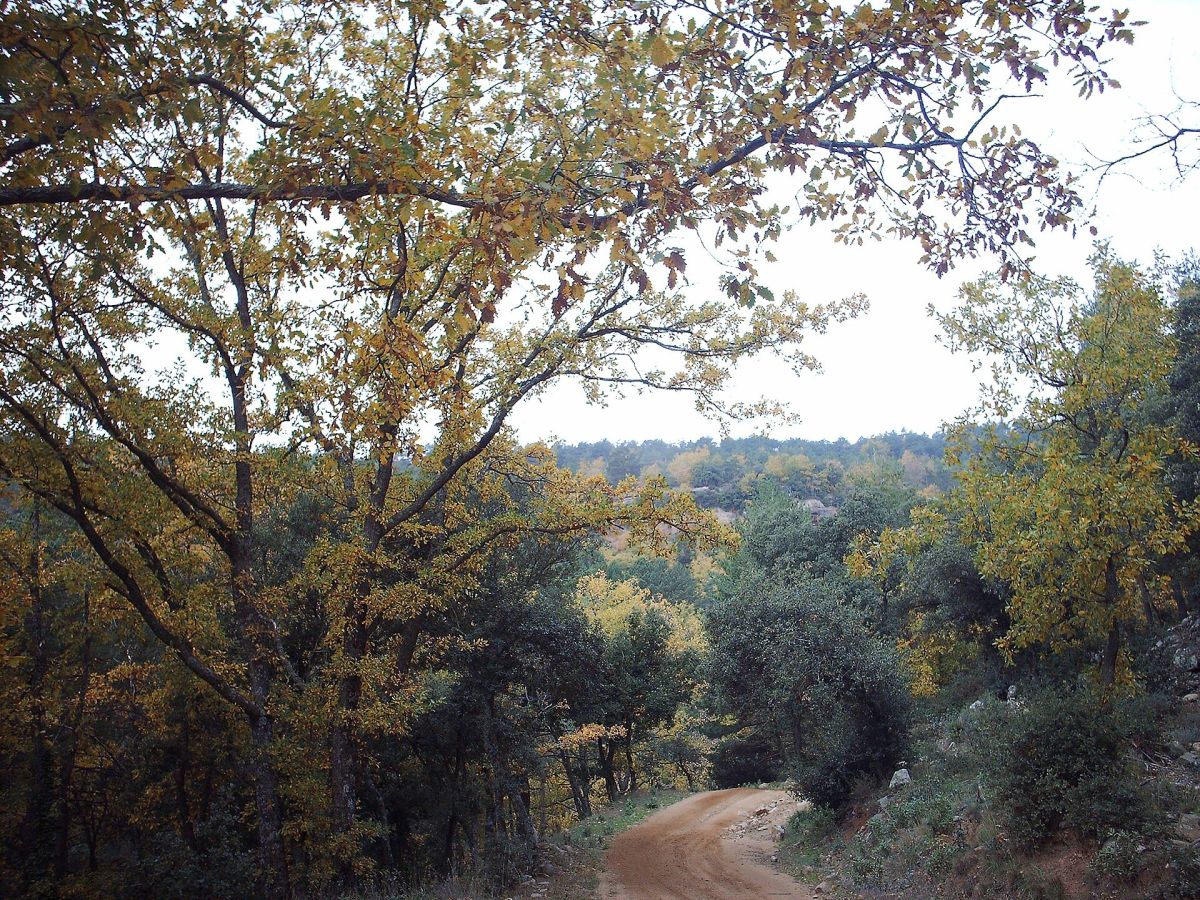
Three things I’ve noticed over the years as a local.
First, the village is more than just a climbing area. Most climbers park at the lot below the village, head straight to their sector, climb the day, and drive back to Cornudella in the evening to sleep. They never see the village. That’s a shame. Siurana itself, the ruins of the Moorish castle, the view from the Salt de la Reina Mora, the Romanesque architecture of the Església de Santa Maria, is worth an hour. At least.
Second, the region around it. Siurana sits between two of Catalonia’s most impressive natural parks: the Montsant to the north and the Priorat to the south. Anyone coming for three or four days of climbing should use one of those days to not climb. Half a day in the Priorat, a wine tasting at a small bodega, lunch in Falset or Gratallops. It gives the trip a different rhythm.
Third, the water logistics. There’s no supermarket in the village. In Cornudella, ten minutes down, yes. Anyone needing water on the way to their sector should think of it beforehand. Some sectors are 20 to 30 minutes on foot from the car, and in April, full sun can get surprisingly warm.
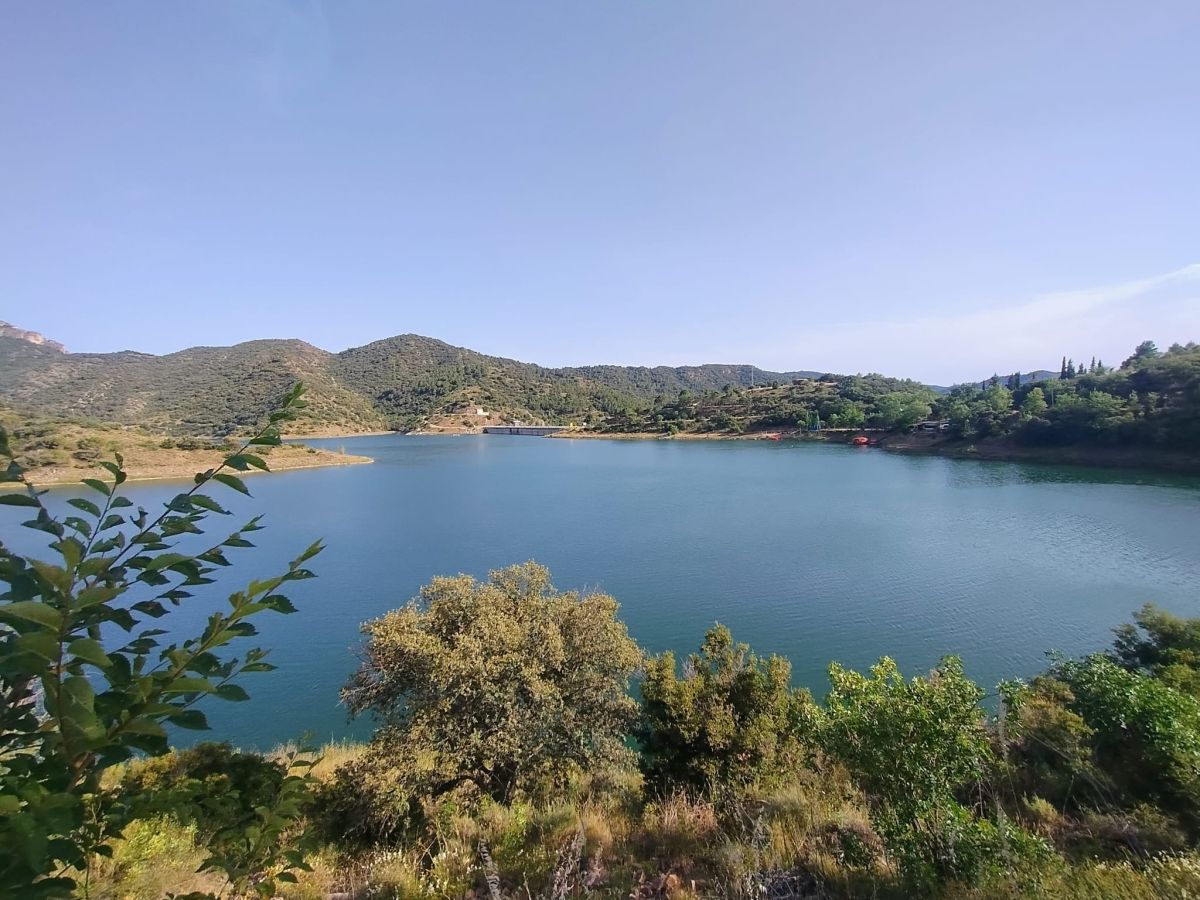
By the way: if you like Siurana, it’s worth a look at Margalef, the quieter sister area just under an hour’s drive to the west. Different conglomerate, more slopers, less buzz, and a reservoir to cool off in after a climbing day. Many people combine the two on one trip.
Where insiders go deeper
Since I don’t climb, I can’t give real sector advice. But I’ll link to what guests from the climbing world mention again and again:
- 27 Crags, the most important online topo for Siurana, with route lists, grades, and user ticks
- Mountain Project, similar, more English-language oriented
- a printed topo guide by Pete O’Donovan, in almost every climber’s pack who comes here
- local climbing schools for beginners or guided days
Where to sleep?
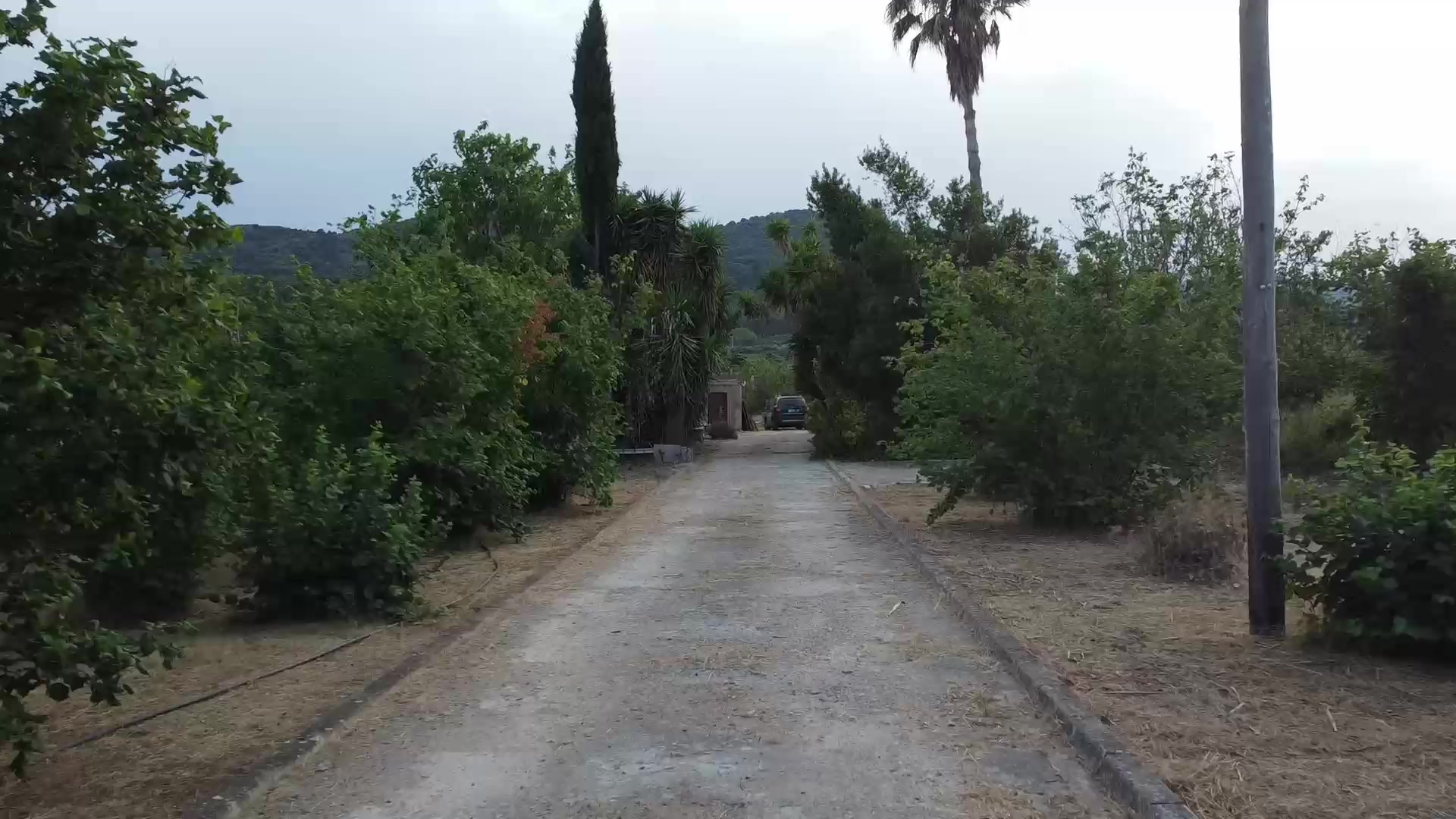
Most climbers stay in Cornudella de Montsant or slightly further out in the surrounding villages. There are a few albergues and campsites nearby explicitly oriented toward climbing.
But if you’d rather have some quiet, a pool for tired muscles after a climbing day, a garden to rest in, a real kitchen, and not the usual climbing-hostel feel, then Mas Luna is fifteen minutes by car from Siurana. About 1h45 from Barcelona airport. A double room in a quiet house among olive groves, with everything you need for a proper rest after a long day on the wall. Dog-friendly, parking, WiFi for the evening topo research.
But that’s not the point of this text. The point is: Siurana is more than just a climbing area. It’s a landscape, a village, a story, a stone. Whoever comes here and only climbs, misses half of it.
And whoever is considering coming but hesitating: come. It’s worth it. Even if you don’t want to climb.