I’ve been to Margalef without climbing. Same as in Siurana. I live in Alforja, almost an hour’s drive from Margalef, and sometimes I pass by when I’m heading deeper into the Priorat. What strikes me, every time: it’s quieter here.
In Siurana the cars park tightly together, the bakery in Cornudella is full in the morning, and in the evening the climbers sit in the bar and trade sector tips. Margalef is different. Margalef is quieter.
This text is for those who’ve already heard of Margalef but aren’t sure: is it worth the trip, is it for me, what makes it different from Siurana. I’m not writing this as a climber, I’ve never been on one of the walls, but as someone who lives in the region and pays attention.
What Margalef actually is
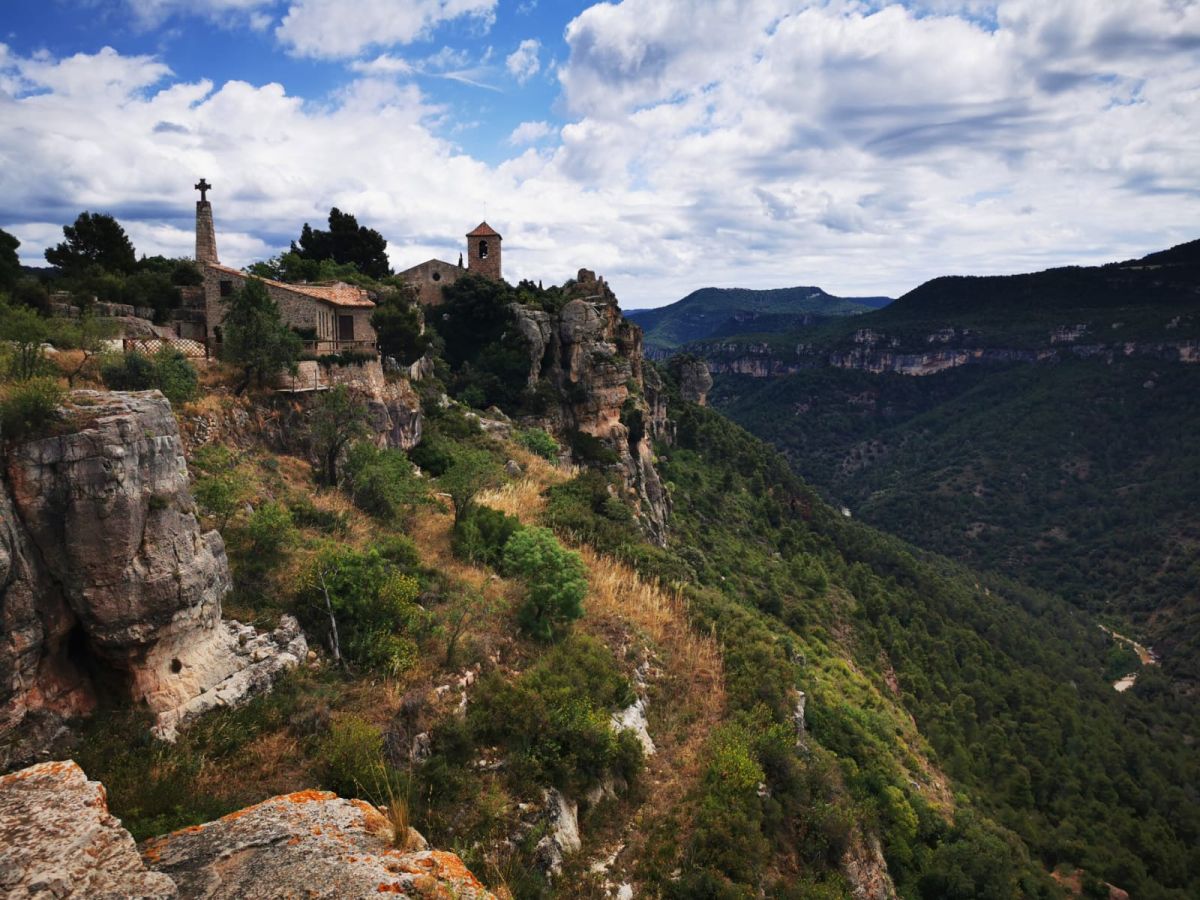
Margalef is a tiny village, about 100 residents, on the western edge of the Montsant Natural Park. It’s in the Priorat comarca, but belongs to the DO Montsant wine region, not the more famous DOQ Priorat. Around it: almond and olive groves, and then red rock walls rising out of the valley like a wall.
The walls are made of conglomerate, similar to Siurana, but Margalef’s conglomerate is different. The climbers I’ve talked to say it’s made of strikingly round pebbles, set in limestone. What that means, without going technical: Margalef is famous for slopers, jugs, and distinctly boulder-style routes. Sport climbing, yes, but with a character you barely find elsewhere.
The walls were bolted in the eighties and nineties, then Adam Ondra, Chris Sharma and other international names came and put up some of the world’s hardest routes here. This is where routes like “Era Vella” (9a) and “Perfecto Mundo” (9b+) live, the latter the first route at that grade not first ascended by Adam Ondra.
Margalef or Siurana?
If you can only visit one, that’s the central question. Here’s what I hear when guests discuss it among themselves:
Siurana is the more famous area, more walls, more routes, more atmosphere thanks to the cliff village on top. More climbers, more buzz.
Margalef is smaller, more compact, quieter. The route styles are different, more slopers and two-finger pockets than the sharp edges of Siurana. Some climbers say Margalef is “easier on the fingers”, others say exactly the opposite. It depends on your own style.
What many climbers do: visit both on the same trip. The drive between the two areas takes about 45 minutes on the mountain roads around the Montsant. Three days at Siurana, two at Margalef, one rest day in the Priorat, and you’ve got a week.
Who is Margalef for?
Similar to Siurana. For every level, but with caveats.
If you’ve never climbed, Margalef is even less beginner-friendly than Siurana. Less local infrastructure, fewer climbing schools on site, fewer beginner walls. Anyone showing up here without prior experience feels out of place.
If you climb as a hobby, there are routes from French grade 5 (roughly YDS 5.8) upward. But most routes sit in the 7a range and above, in other words sporty.
If you’re experienced, you don’t need this text. Margalef has over 1,000 routes, some in the 9a+ range and higher. Anyone who appreciates sloper-heavy climbing feels at home.
When’s the best time?
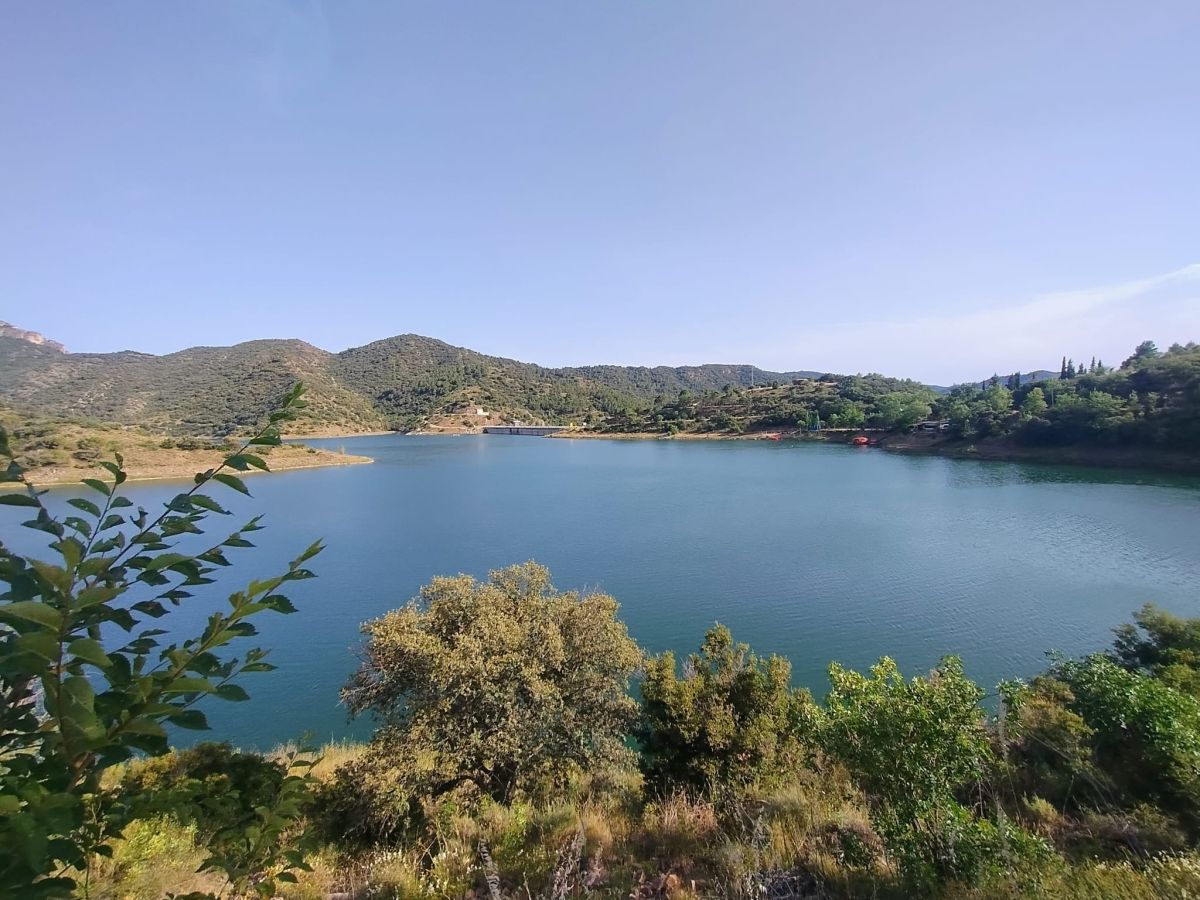
As in Siurana, the conglomerate loves dry, cool conditions. But Margalef has one advantage: many sectors sit by the reservoir, with shade from overhanging features, which keeps them climbable longer in early summer than Siurana.
Main season runs October to April. Spring (March, April) and late autumn (October, November) are ideal. Summer (June to August) is hot, but with the shaded sectors by the reservoir not entirely off-limits. Winter (December, January) works with sun, but can get colder than Siurana, because the valley sometimes traps cold air.
One local quirk: Margalef is also popular in summer for early-morning climbing. Some come before sunrise, climb until 10 in the shaded sectors, then head down to the reservoir, which sits just below. It’s a very local routine.
What makes Margalef different from Siurana
Three things I notice when I compare the two.
First, the reservoir. In Margalef you have direct access to a body of water that stays cool in summer and is perfect for a swim after a climbing day. Siurana is missing that entirely. Anyone climbing in hot months simply has more options at Margalef.
Second, the village. Margalef is noticeably smaller and less touristy than the cliff village of Siurana. There’s a bar, a small shop, and otherwise silence. Anyone who really wants peace after a day on the wall has better chances here.
Third, the sector density. In Siurana the main sectors cluster around the village, easily reachable on foot. In Margalef the sectors are spread out along the gorges and the reservoir. You need more patience for the approaches and descents here, sometimes 30 to 40 minutes on foot per direction.
What climbers at Margalef often overlook
Two things I’ve heard from guests.
First, the food. The village has very limited options for dinner. Anyone wanting a hot meal in the evening should check what’s open in advance, or get in the car and head to Cabacés or further into the Priorat. This logistics piece gets overlooked.
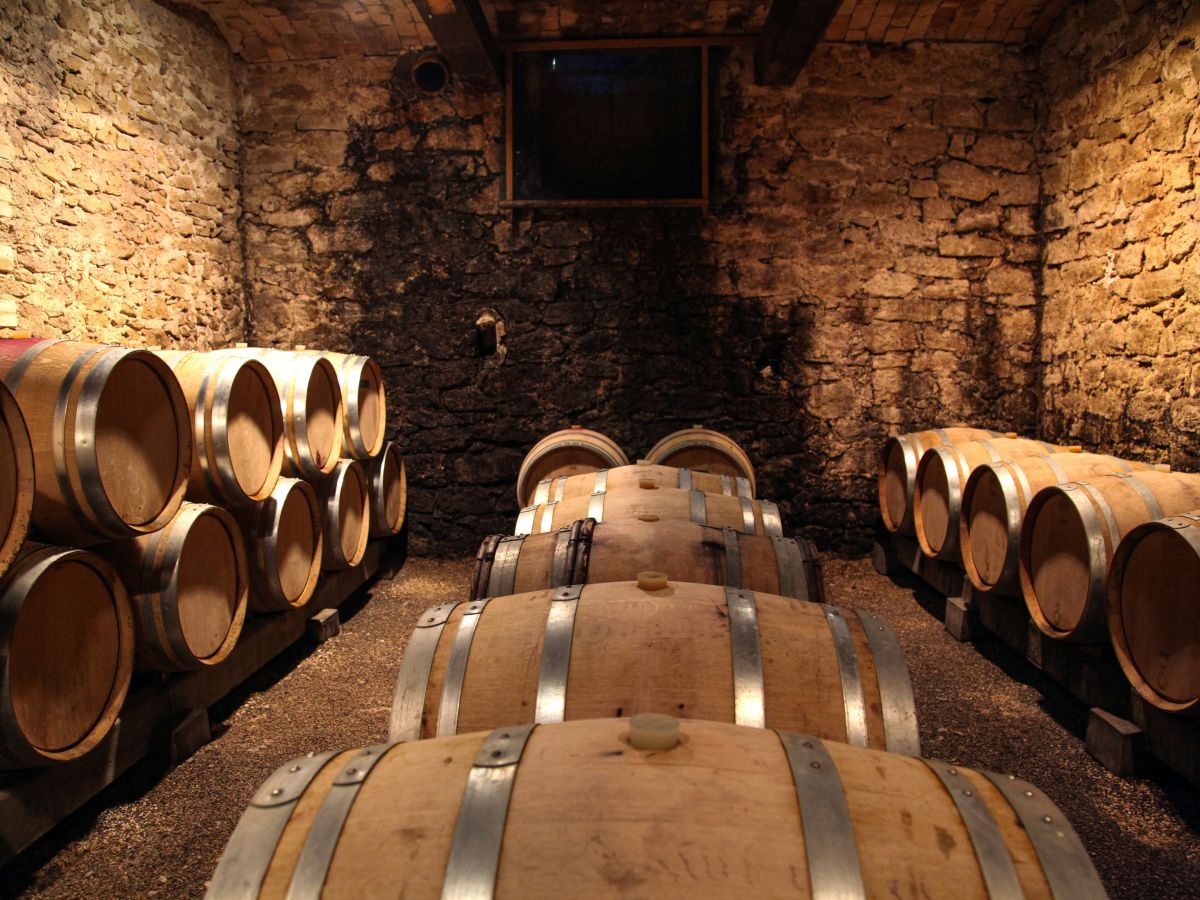
Second, the region around it. Margalef sits on the western edge of the Montsant Natural Park and right on the border with the famous DOQ Priorat. Anyone coming for three or four days of climbing should use one of those days for a winery visit in the Priorat. Falset, Gratallops, Porrera are all 30 to 45 minutes by car. It gives the trip a different character.
Where insiders go deeper
As I said in the Siurana post: I can’t give real sector advice. The sources that get mentioned again and again:
- 27 Crags, with the Margalef topo, route lists, grades, and user ticks
- Mountain Project, similar, more English-language oriented
- Local topos and refuges in the village often have the most current pointers on new sectors and route conditions
- On site there are fewer climbing schools than at Siurana. Anyone wanting a guided day goes to Cornudella or books through the larger providers
Where to sleep?
In Margalef itself there’s a refuge and a few camping options, all clearly oriented toward climbing. Anyone who likes that is well taken care of.
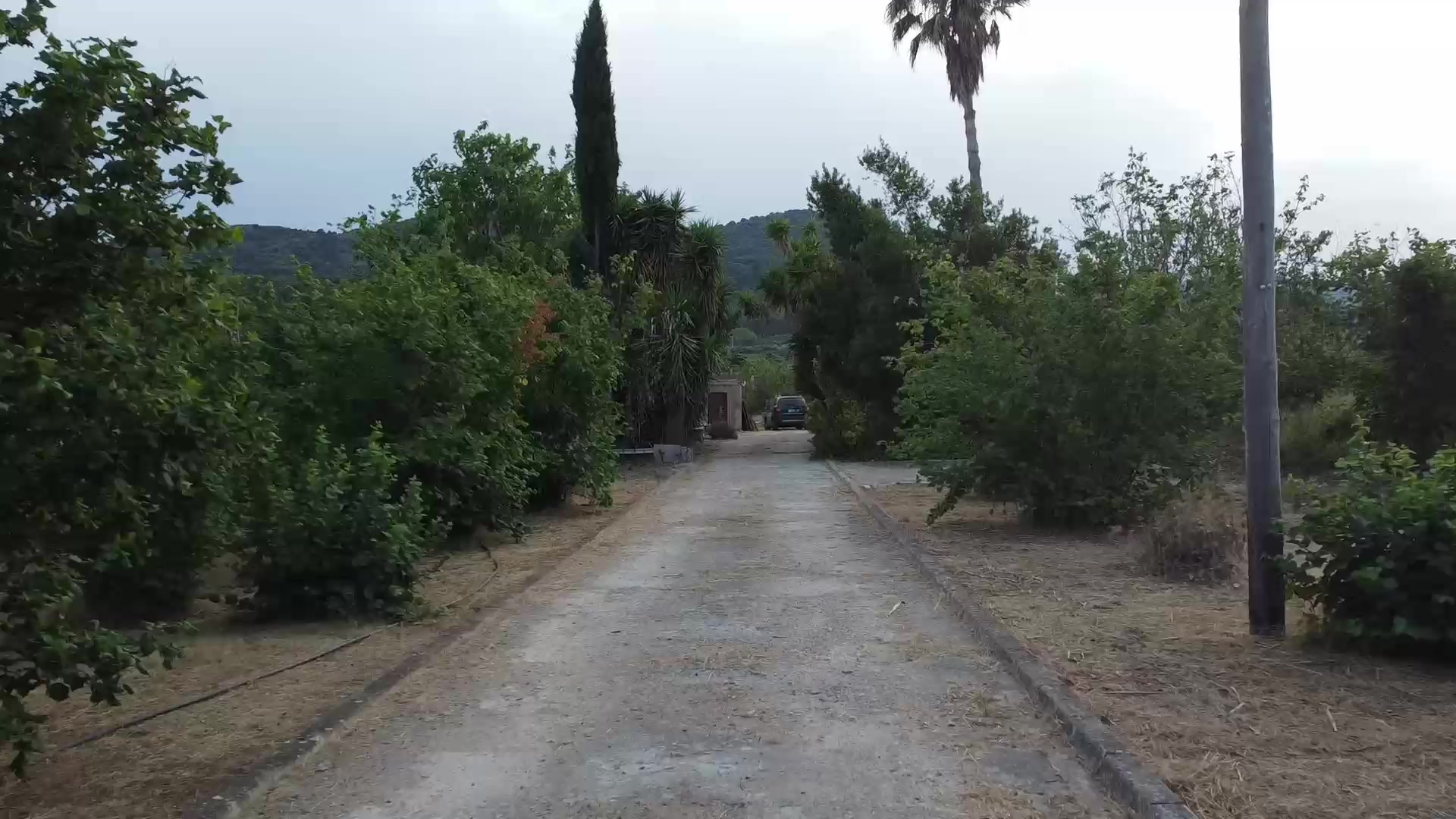
If you prefer something quieter and with more comfort, a pool, a garden, a proper kitchen, then Mas Luna is about an hour’s drive from Margalef, on the eastern side of the Montsant massif. About 1h45 from Barcelona airport. A double room in a quiet house among olive groves. Dog-friendly, parking, WiFi for evening topo research. Plus: from Mas Luna you can do Siurana one day (about 15 minutes by car), Margalef the next, with a wine pause in between.
But that’s not the point of this text. The point is: Margalef is more than just the harder version of Siurana. It’s a place of its own, with its own style, its own rock, its own atmosphere. Anyone who visits both places understands the climbing in this region better.
And anyone who’s heard of Margalef but is hesitating: come. It’s the quieter version. And quiet has a value.